



Efficient and Effective
Heating Water vs Air
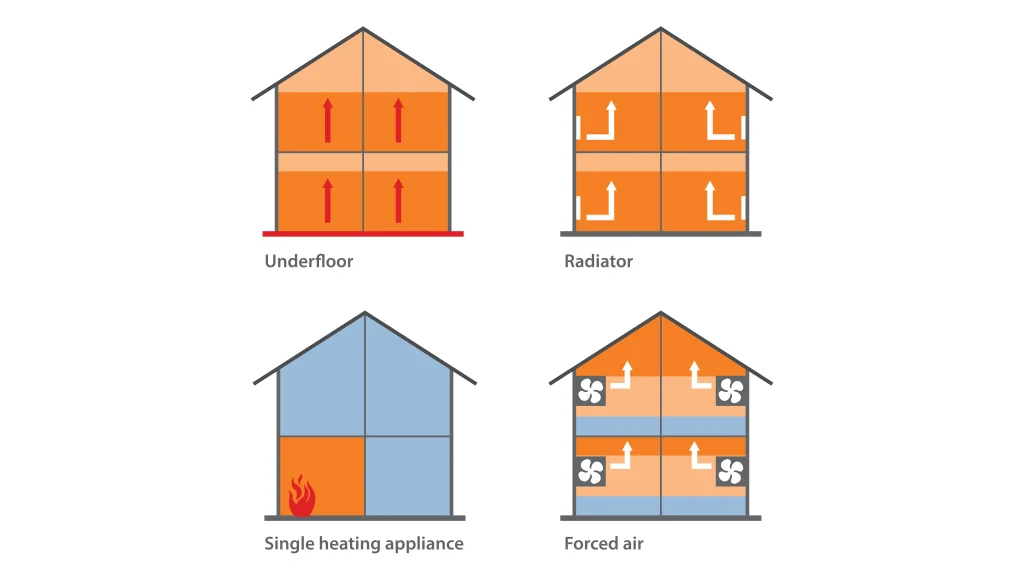
Heat is lazy by nature and doesn’t flow through a house from a single point well at all. People try to move heat via ducts from overheated areas to colder areas but it works poorly.
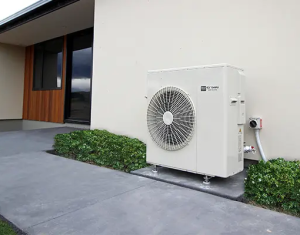
When you move hot air down a duct, it loses temperature quickly and creates noise. These ducts are often in the ceiling and delivering heat from a vent high in the ceiling does not heat the room well. Ducted heat pumps also deliver heat from this high up position but fail to warm the lower parts of the room. Compared with nothing, its fantastic…
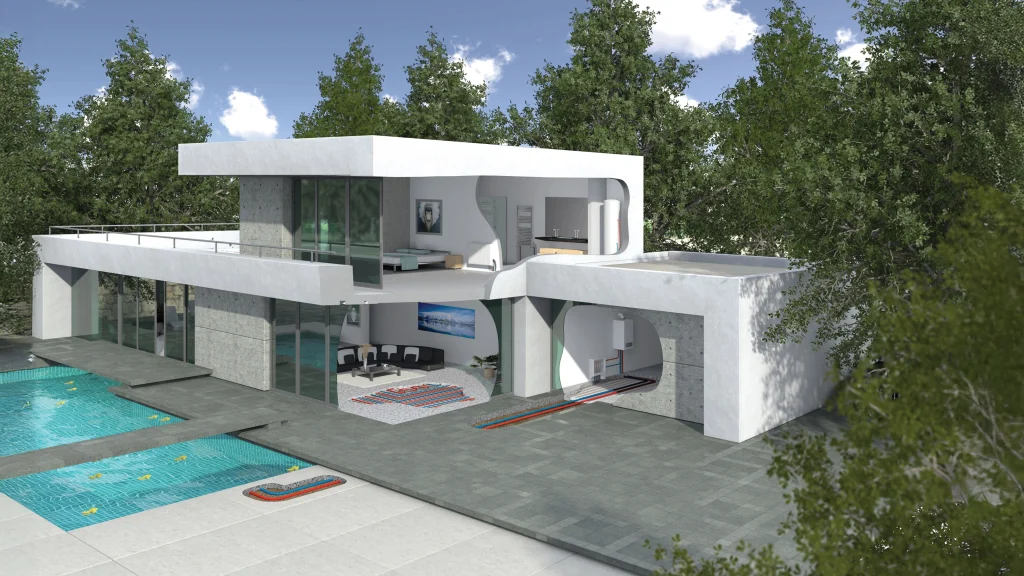
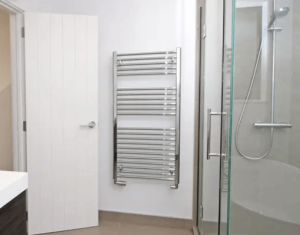
But far better to spread small amounts of heat around a home via a warm water radiator system or an underfloor system.
The heat is delivered in the right place in the room and is easily moved via water in pipework because water moves heat energy more than four times better than air does. The pipes are tiny compared with large air ducts making retrofitting possible and easily fitting in with new house designs.
Invisible Barrier
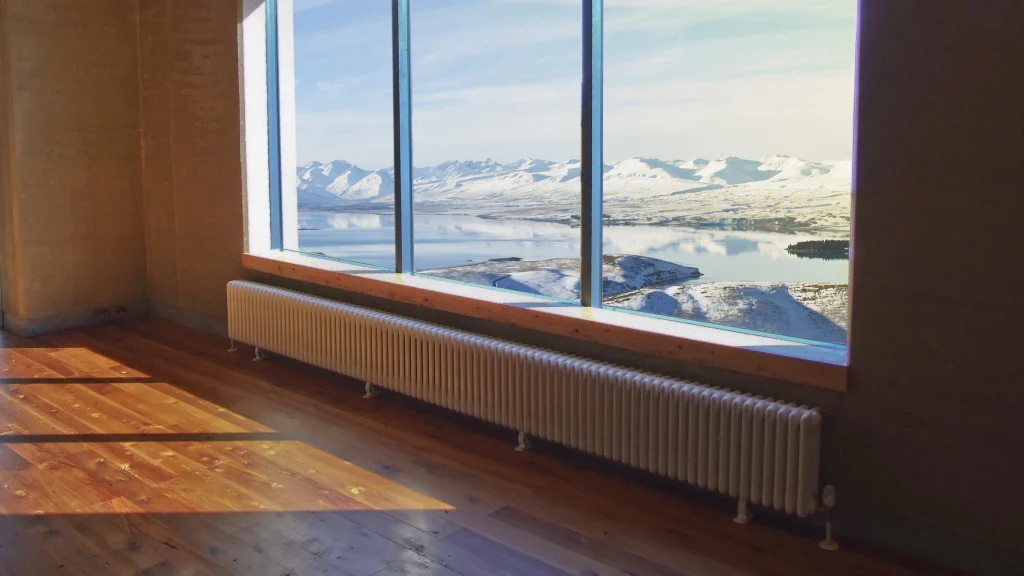
The most efficient and effective place to position heat is where the cold is. It seems an unnatural thing to do but if you combat the cold at its source, you wont have a cold spot in the room. This principle is used also in Malls and other places where they have a large air heater at the door entering the mall or shop. It effectively stops the drafts entering the building.
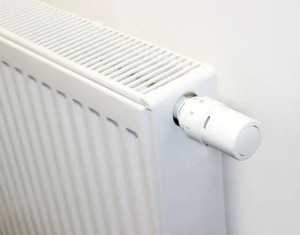
So it is with central heating. The radiators are positioned at the coldest parts of the rooms – on the external walls or near the windows. This ensures that the room is warmed completely and evenly.
This is far more effective than the standard ‘Kiwi’ thing of putting a heater in the hall. Better to be on the external walls of the bedrooms. And of course underfloor heating extends over the floors to the outside walls of the house.
System Considerations
Ensure optimal performance of your heating system by considering key factors during the design phase and throughout its operation. Changes to building elements, such as glazing or insulation, may impact system efficiency.
The system is designed based on international standards, but supplementary heating may be needed under certain conditions. For underfloor heating, consistent running is recommended, and insulation requirements must be met to limit heat loss. Address thermal bridging by insulating foundations, and choose floor coverings with low resistance.
Understand increased load scenarios and consider the impact of curtains for enhanced efficiency. Learn more about maximizing the effectiveness of your heating system.